Old Damascus and Souk al-Hamidiyah: A First-Time Visitor’s Guide to the Old City
Before visiting any single shrine or mosque in Damascus, it helps to understand the city that holds them all together. The Old City of Damascus is a UNESCO World Heritage Site, inscribed in 1979, and walking through it, particularly along the route from the eastern gate through Souk al-Hamidiyah to the Umayyad Mosque, is the single best way to get your bearings before diving into the individual sites covered elsewhere on this site.
Why UNESCO Recognized the Old City
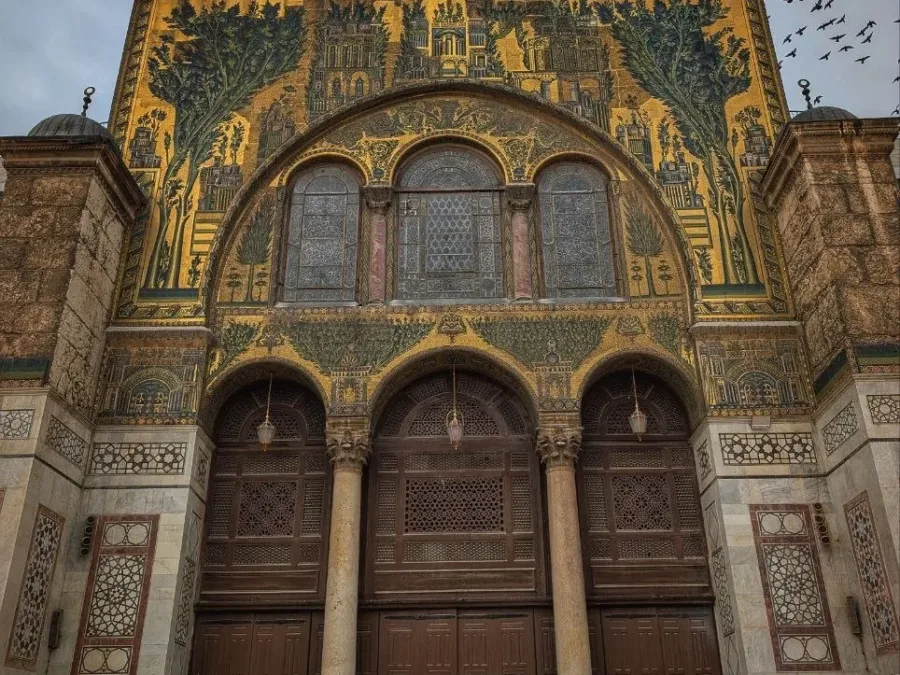
UNESCO's listing points to several distinct reasons Damascus's old walled city matters on a world scale: its unique architectural achievements, including the Umayyad Mosque, the Citadel, Azem Palace, and its many historic madrasas and khans; its role as the exemplary model of early Arab-Muslim urban planning, blending the older Greco-Roman street grid with new Islamic sacred architecture; its status as one of the world's oldest continuously inhabited cities, with occupation evidence reaching back thousands of years; and its direct connection to major events and traditions in religious history. It's worth knowing, too, that the Old City has been on UNESCO's List of World Heritage in Danger since 2013, a designation tied to the broader risks of Syria's years of conflict rather than a report on any single building's condition.
Walking the Spine: From Bab Sharqi to the Mosque
The old walled city is oval in shape, roughly 86 hectares within its walls, with a circuit of around 4.5 kilometers. Historically it had seven or eight gates, each traditionally linked in Roman times to one of the seven classical planets, though only a handful, Bab Sharqi, Bab Tuma, Bab al-Saghir, and Bab Kisan among them, survive clearly today.
A natural, classic route for a first visit starts at Bab Sharqi, the Eastern Gate, the best-preserved of the Roman-era gates and one end of the old Roman decumanus, the city's main east-west axis, known today as Straight Street.
Straight Street
Straight Street runs roughly 1,500 meters and is one of the few streets in the old city that still traces its original Roman grid alignment closely. It carries real significance beyond Islamic history too: the Acts of the Apostles describes Paul of Tarsus staying on this street following his conversion, and the Mariamite Cathedral, seat of the Greek Orthodox Patriarchate of Antioch, sits along it, with roots reaching back to the second century. Today the street no longer carries one continuous name. Its western stretch is known as Souk Midhat Pasha, named for the Ottoman governor who had it re-roofed, and its eastern stretch is called Bab Sharqi Street.
Into Souk al-Hamidiyah
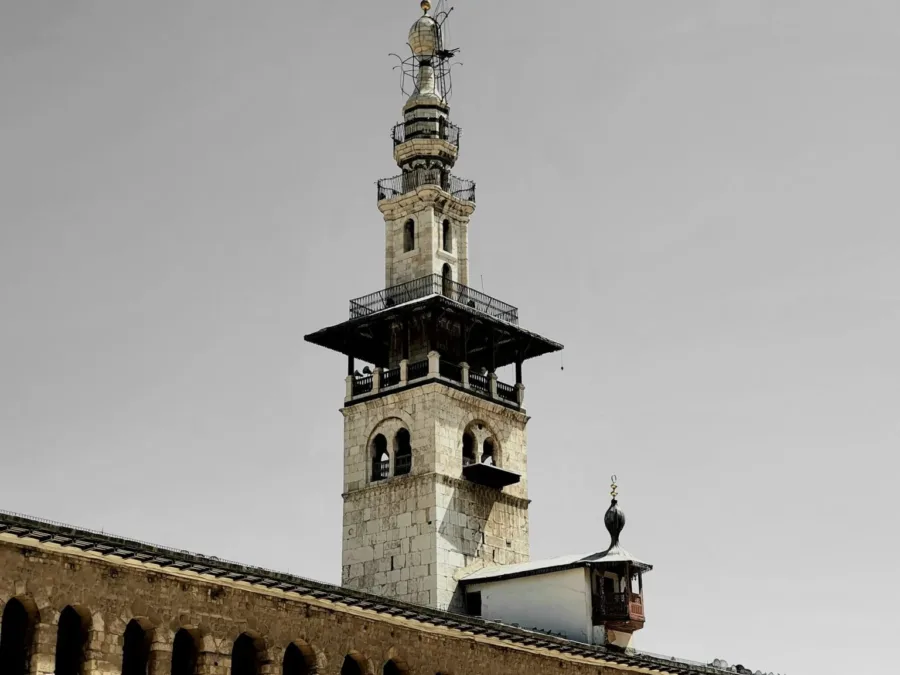
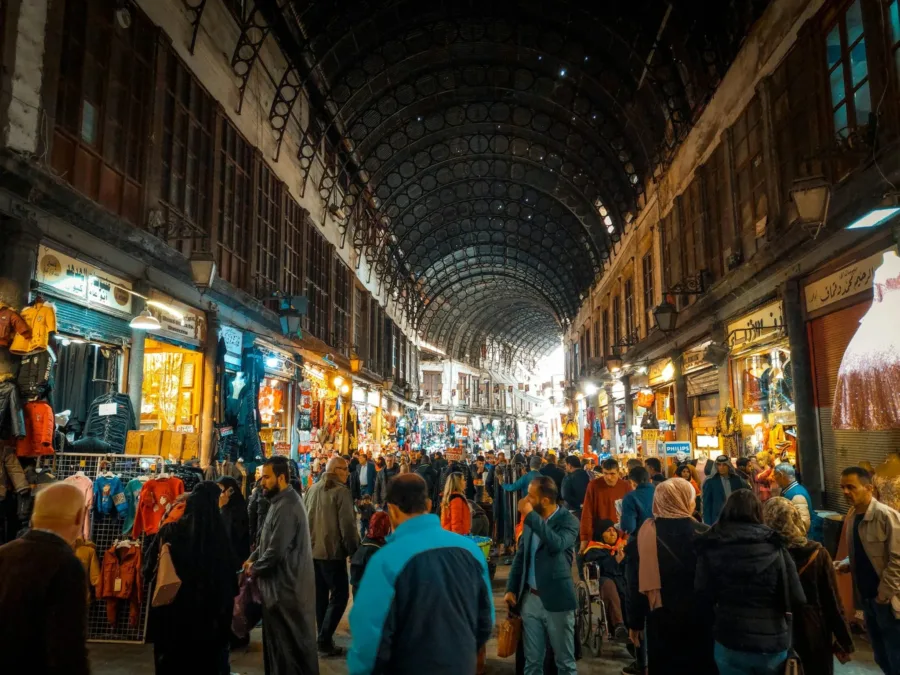
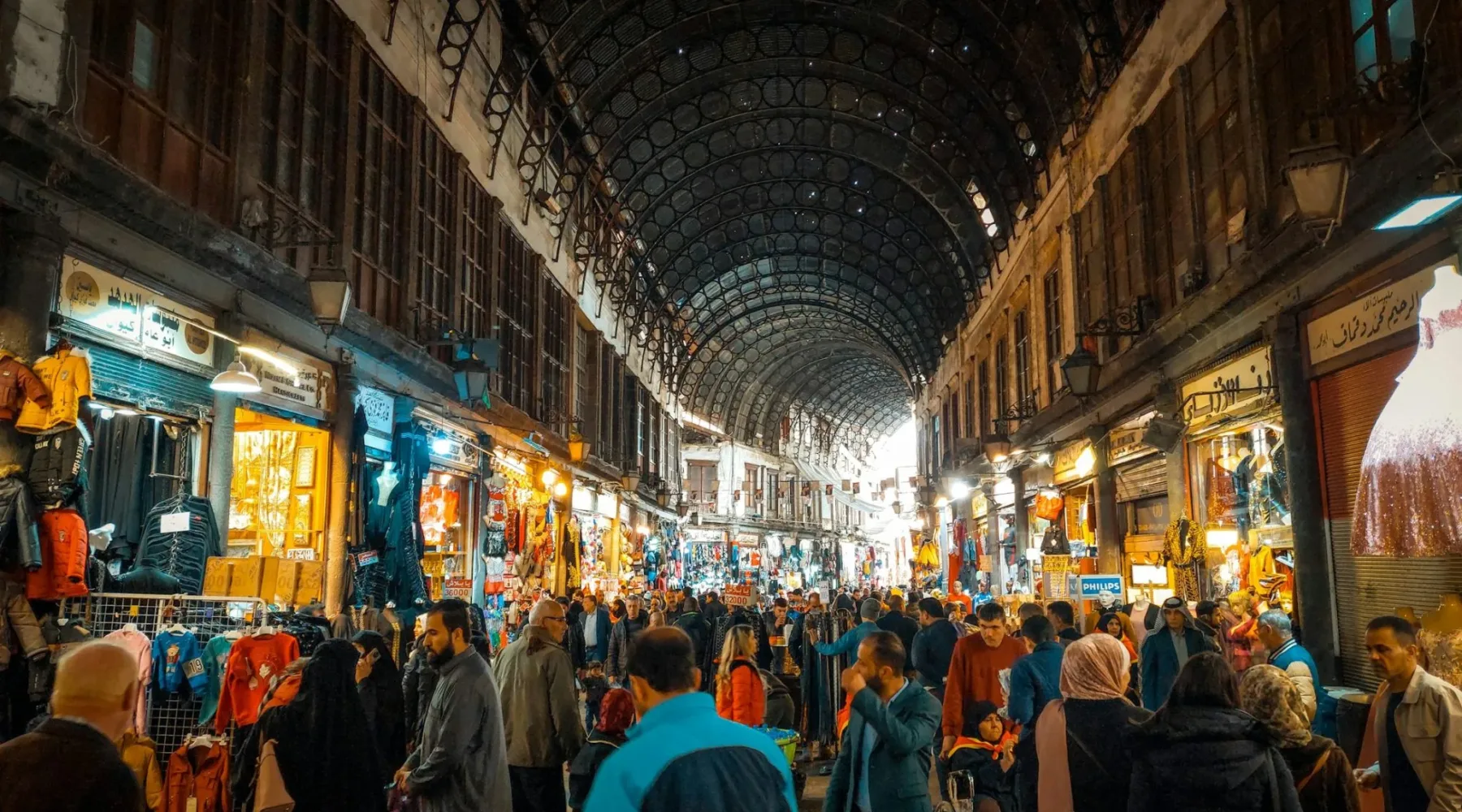
Following Souk Midhat Pasha west eventually connects to Souk al-Hamidiyah, the grand covered market that leads directly to the Umayyad Mosque. Sources give slightly different dates for its construction, with the market generally begun under Sultan Abdul Hamid I in the late eighteenth century and later extended under Abdul Hamid II, whose name has since become the one most commonly, if not entirely precisely, attached to the market's founding. The souk runs roughly six hundred meters, covered by an arched iron roof around ten meters high, and passes directly beside surviving columns from the old Roman Temple of Jupiter before opening onto the mosque's western entrance.
You may have heard the story that small perforations in the souk's iron roof were caused by a French warplane strafing the market during the Great Syrian Revolt in 1925. It's a dramatic detail, and Damascus genuinely was shelled during that period, an adjacent quarter, still known today as al-Hariqa, "the fire," was burned to the ground during the unrest. But the specific bullet-hole claim about the souk's roof does not appear in the careful heritage histories of the market. It is most likely a colorful embellishment that guides repeat rather than a documented fact, and we will tell it to you that way rather than as settled history.
What You'll Find at the End of the Walk
This walk deposits you right at the doorstep of the Umayyad Mosque, and from there, Salahuddin al-Ayyubi's tomb sits just beyond the mosque's north wall, with the historic Citadel nearby and Azem Palace a short walk south. It's a route that takes you through Roman antiquity, early Christian history, Ottoman market culture, and the religious core of the city, all in a single, walkable stretch.
When to Walk It
Market hours shift, and individual shops keep their own. Ask us closer to your dates and we will tell you what to expect in the week you are here, and which hour of the day gives you the souk at its best.
Start Your Visit With Us
Walking this route with a guide who can point out what's genuine history, what's local legend, and what's simply a good story turns a market stroll into something much richer.