Maqam Sayyida Ruqayya, Damascus: History, Tradition and the Scholarly Debate
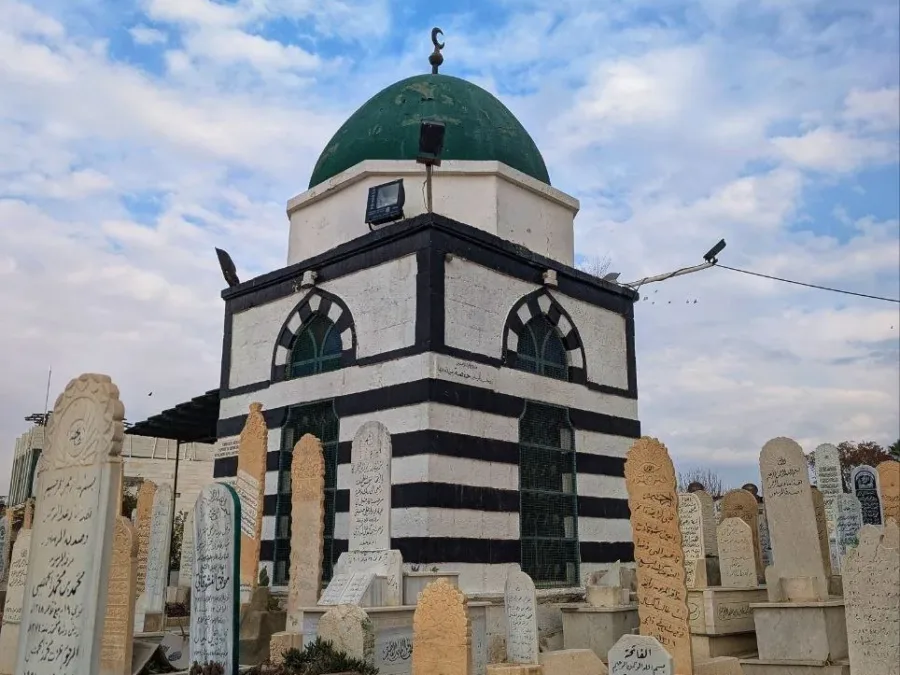
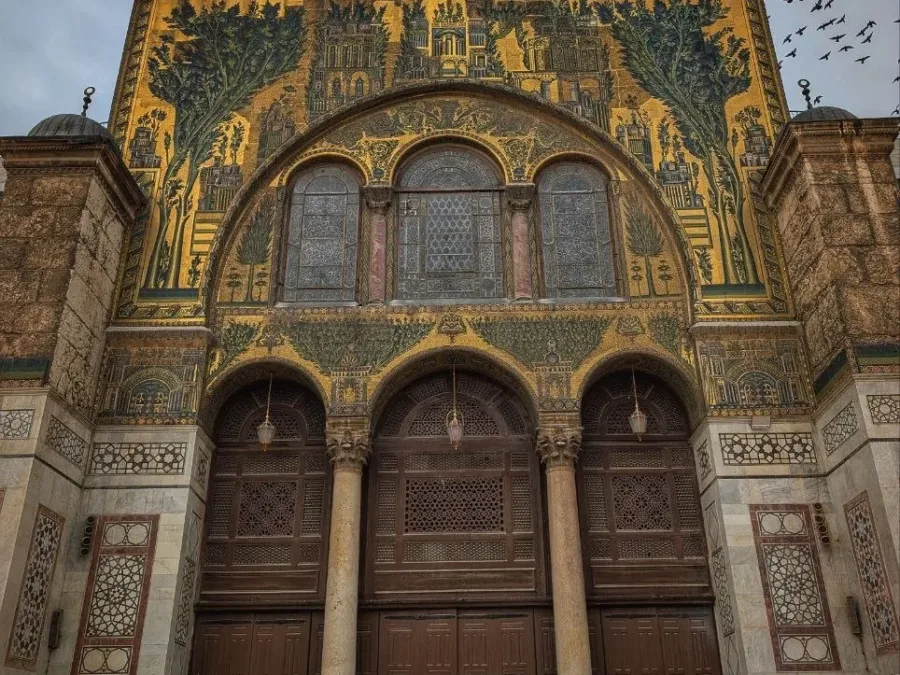
Tucked into the Old City of Damascus, a short walk from the Umayyad Mosque, sits a shrine with a golden dome and a story that most visitors hear told with far more certainty than the historical record actually supports. This is the Maqam of Sayyida Ruqayya, and honest writing about it means holding two things side by side: the devotion it inspires, and the genuine uncertainty around who is actually buried there.
The Popular Tradition
The story told to most pilgrims is that this shrine holds a young daughter of Imam al-Husayn ibn Ali (RA), the grandson of the Prophet Muhammad ﷺ, who died in Damascus as a small child, only three or four years old, shortly after the tragedy of Karbala in 61 AH (680 CE), while being held captive in the city following her father's death. In this telling, she is a symbol of the suffering endured by the women and children of the Prophet's ﷺ family after Karbala, and visiting her maqam is an act of remembrance for that grief.
What the Historical Record Actually Shows
Here is where care matters. The mainstream historical accounts of the Battle of Karbala and its aftermath, including sources describing how the captive family was treated by Yazid and eventually sent back to Medina, generally do not mention a daughter of Husayn dying in Damascus. The sources most often cited in support of the popular tradition tend to be devotional compilations written thirteen centuries or more after the events themselves, not near-contemporary historical records.
There is also a naming confusion worth flagging directly: the child at the center of this tradition is referred to interchangeably in different sources as either "Ruqayya" or "Sukayna," and there is a separate, distinct shrine to a "Sukayna" at the Bab al-Saghir Cemetery elsewhere in Damascus. Whether these refer to the same person, two different daughters of Husayn, or a case of two shrines growing up independently around similar oral traditions, is genuinely unresolved. Some scholars researching the wider phenomenon of Alid shrines in medieval Syria have suggested that certain identifications like this one solidified centuries after the events they claim to commemorate, in some cases during the Fatimid period, though that remains a scholarly argument rather than a settled conclusion.
None of this means the tradition is baseless or that visiting the shrine is meaningless. It means the honest way to describe it is as a cherished, centuries-old devotional tradition, not a settled historical fact.
The Shrine Building Itself
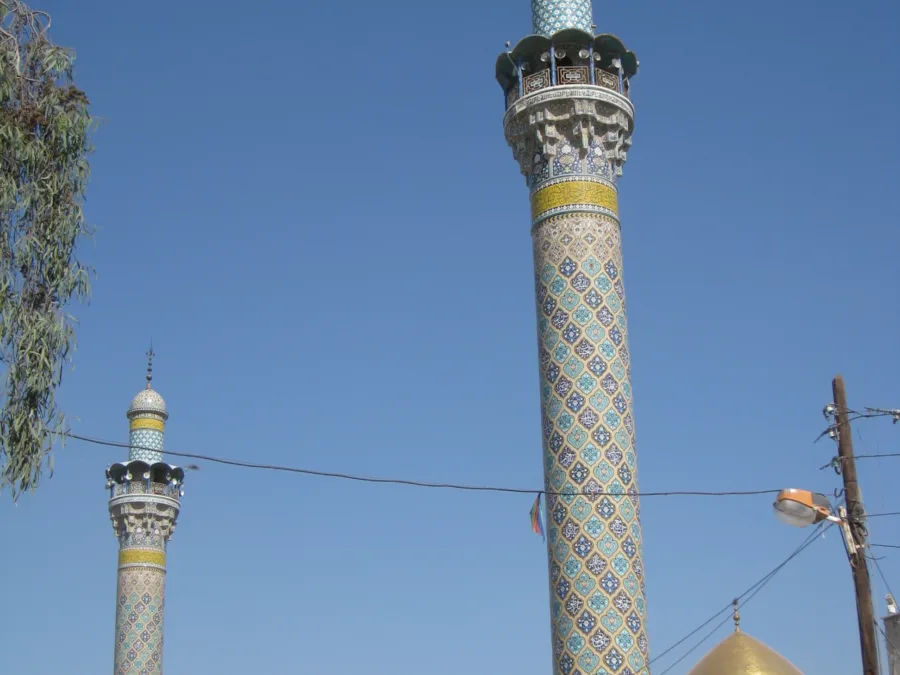
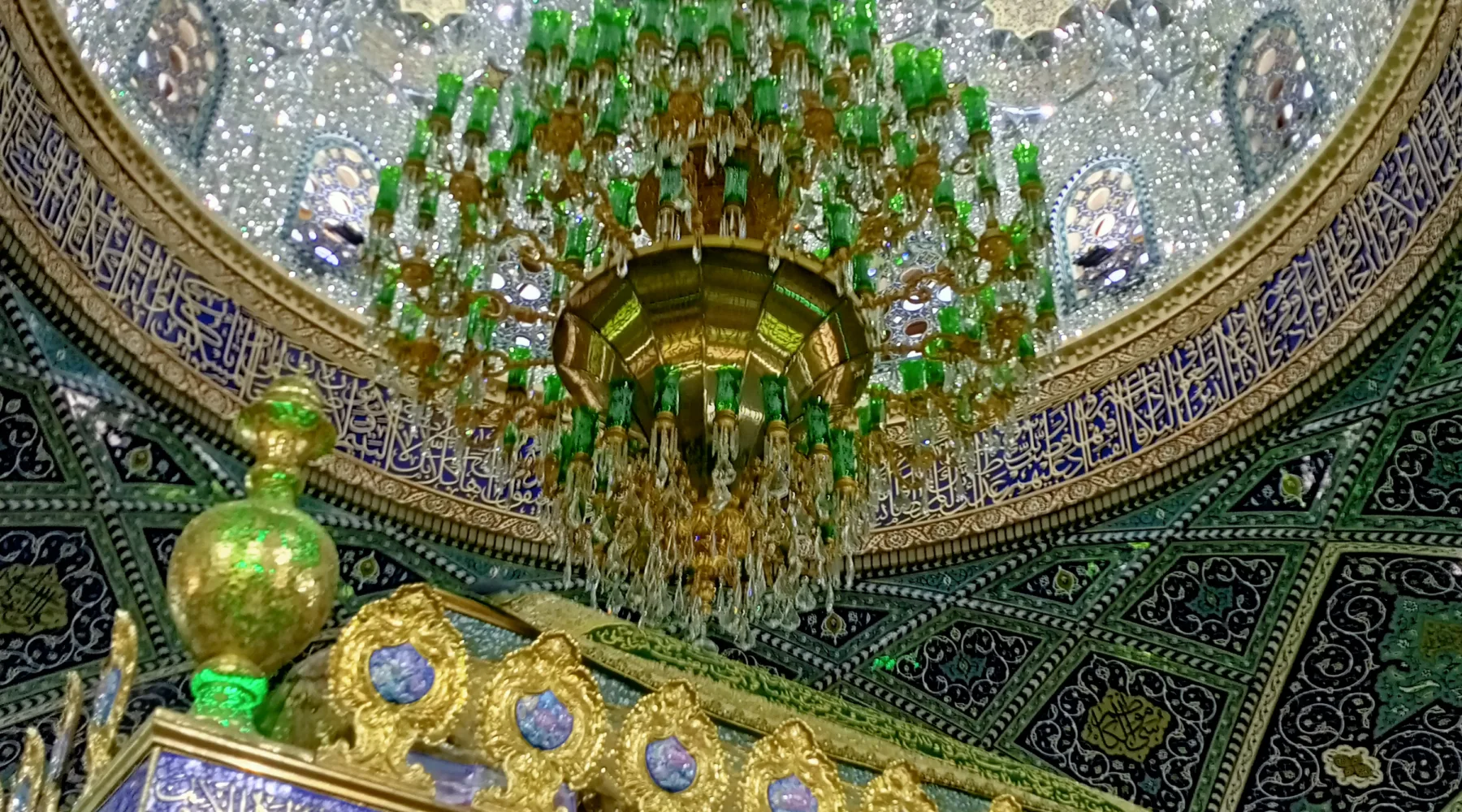
Whatever the uncertainty about the identity behind it, the physical shrine as it stands today is a modern structure. The current building was constructed in 1985, funded largely through Iranian support, around an older maqam whose own origin date isn't clearly documented. It follows a distinctly Persian architectural style, with extensive mirror work and gold ornamentation inside a fairly compact shrine room, prayer hall, and courtyard. It sits in the Amara quarter of the Old City, close to the Umayyad Mosque, and should not be confused with the much larger Sayyida Zainab shrine in a separate town south of Damascus.
Who Visits, and Why
The shrine draws a steady flow of visitors, with numbers rising during Muharram and Safar, the months most closely tied to the memory of Karbala. It remains a place where love for the Ahlul Bayt and the memory of that difficult chapter in early Islamic history come together, and it is held in real affection by those who visit.
When to Go
Ask us closer to your dates and we will tell you the hour that gives you the quietest visit.
Visiting with Context
A shrine like this rewards visitors who arrive with both reverence and honesty about what is known and what isn't. That combination, respect for the devotion it represents alongside clarity about the historical record, is exactly what we try to bring to every stop on a Syria Spiritual Tours itinerary.