Bimaristan al-Nuri, Damascus: The Medieval Hospital Behind Islamic Medicine
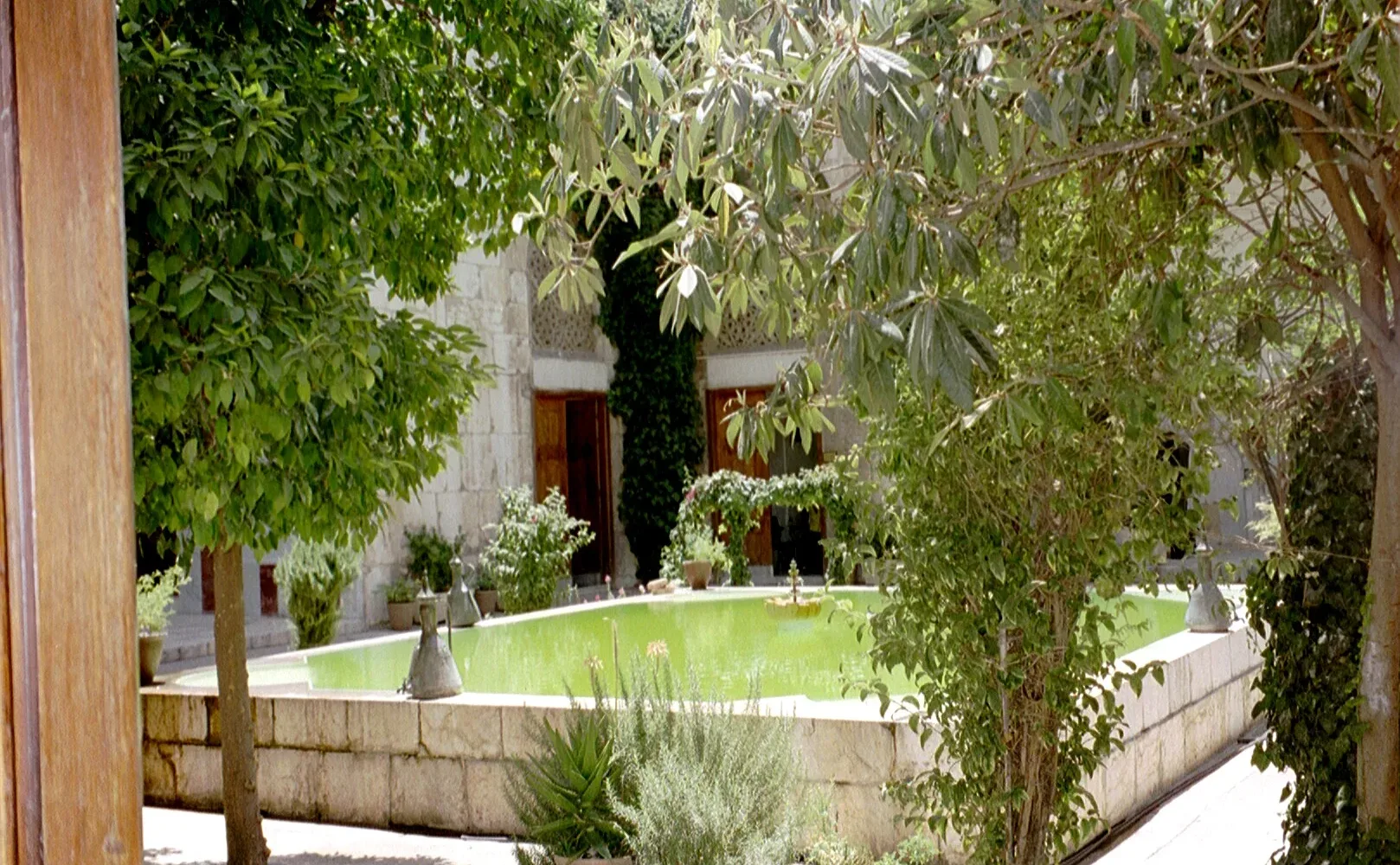
In the al-Hariqa quarter of Old Damascus, just southwest of the Umayyad Mosque, stands a building that once represented the cutting edge of medieval medicine. Al-Bimaristan al-Nuri was a working hospital and teaching institution centuries before the concept became standard in Europe, and it survives today as a museum dedicated to the history of Arab and Islamic science.
Founded by Nur al-Din
The hospital was built and named for the Zengid sultan Nur al-Din Mahmud ibn Zengi in 1154 CE, not long after he took control of Damascus. About ninety years later, around 1242, the physician Badr al-Din commissioned an extension to the original building, a sign of how the institution continued to grow and serve the city across generations rather than staying frozen at its founding.
A Hospital That Trained a Legendary Physician
The clearest, best-documented mark of this hospital's significance is the physician who trained there. Ibn al-Nafis, the thirteenth-century scholar remembered today for describing pulmonary blood circulation centuries before European medicine reached the same understanding, began studying medicine at the Nuri Hospital at the age of sixteen and remained there for more than ten years before eventually moving on to Cairo in 1236. Few medieval hospitals anywhere in the world can claim so direct and well-documented a connection to a physician of that stature.
Architecture
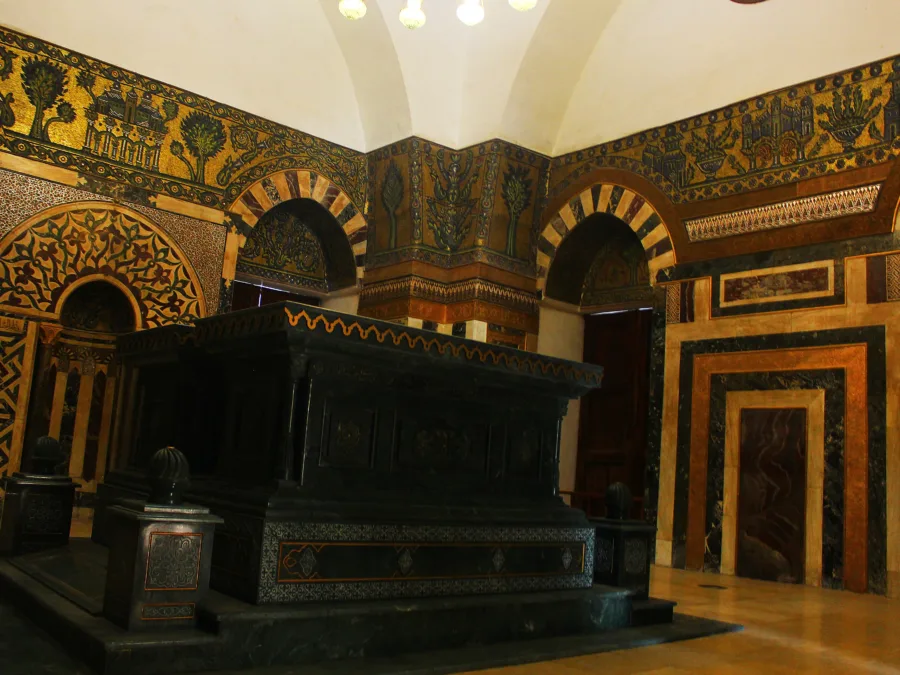
The building carries a muqarnas dome visible above its entrance gate, a decorative feature typical of the finest Islamic architecture of its period, alongside a courtyard layout that would have supported both patient care and teaching side by side.
Life as a Museum
Following a restoration in 1975, the building now operates as the Museum of Medicine and Science in the Arab World, housing exhibits on the history of Arab and Islamic scientific achievement, including medicine, alongside the building's own well-preserved architecture.
Why This Site Matters
For travelers interested in the intellectual achievements of the Islamic world, not just its architecture and shrines, this small museum offers a direct, tangible link to a period when Damascus trained some of the era's finest physicians and treated the sick centuries before such institutions became common elsewhere.