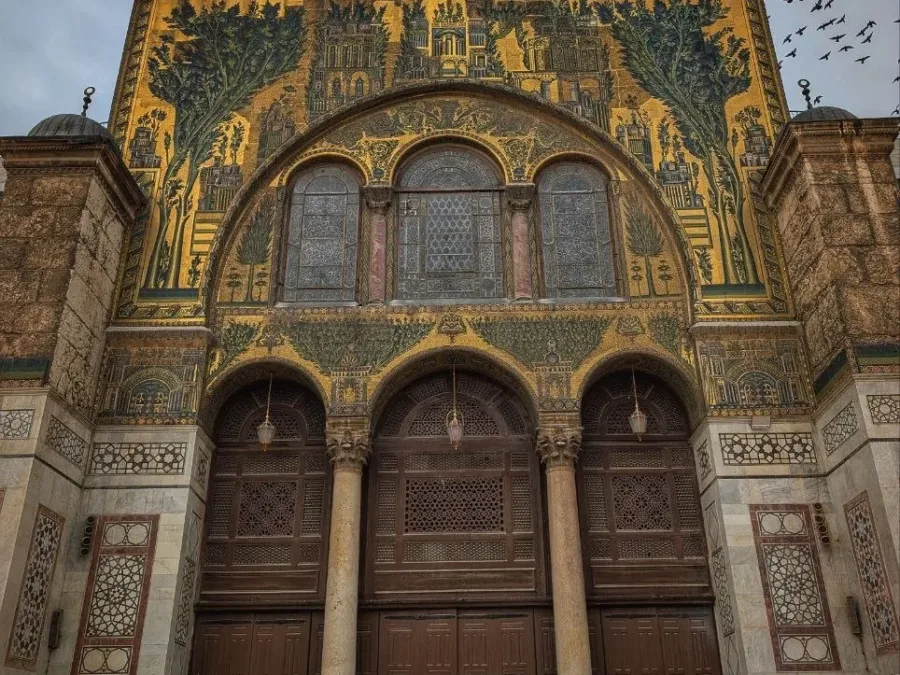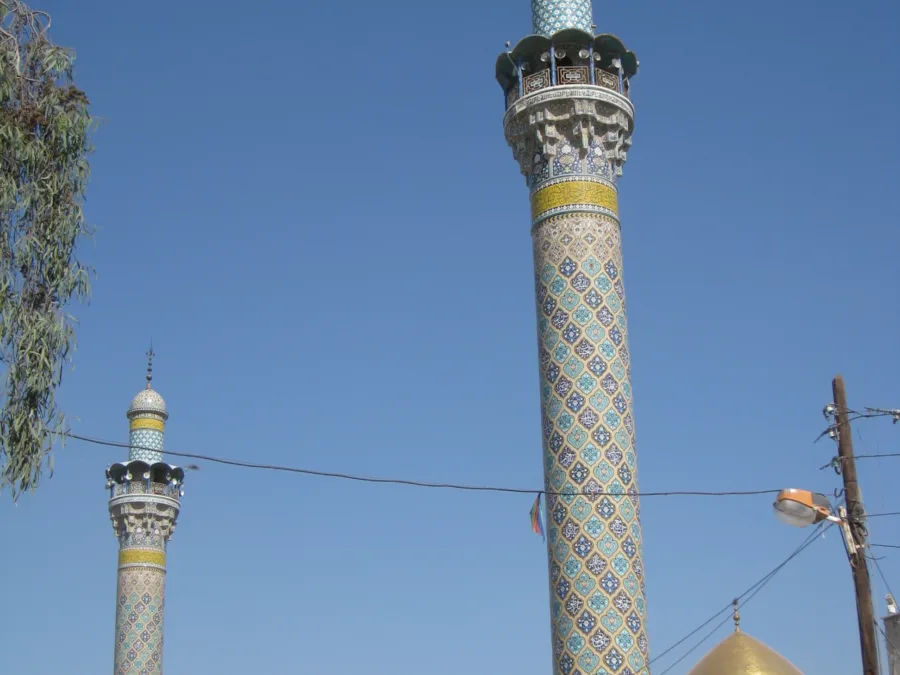
The Minaret of Isa in Damascus: Where Muslims Believe Prophet Isa (AS) Will Descend
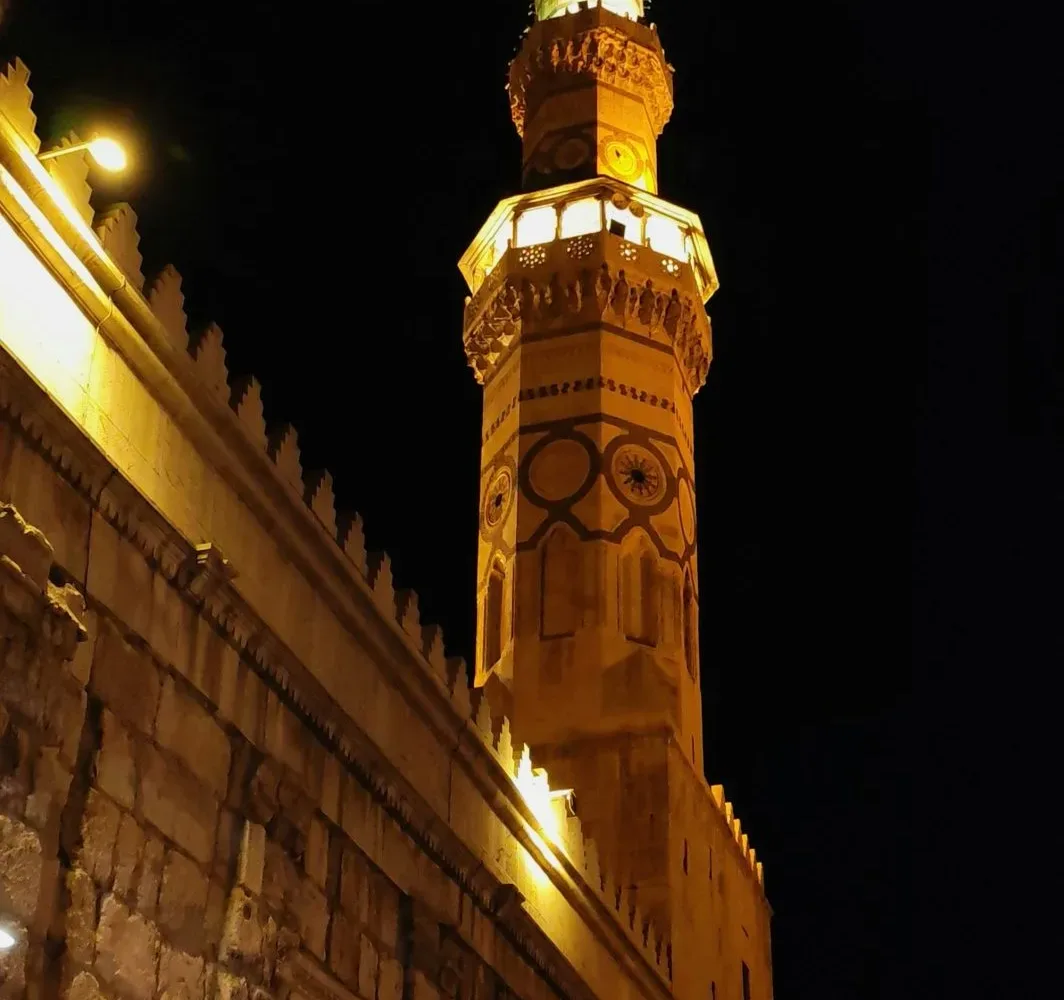
At the southeastern corner of the Umayyad Mosque in Damascus stands a minaret that carries more weight in the Muslim imagination than its stonework alone would suggest. Rising about 77 meters, it is known as the Minaret of Isa, and it is tied to one of the most widely discussed hadiths about the end of days: the return of Prophet Isa, son of Maryam, peace be upon him.
What follows is what has been reported about this minaret, and what has been passed down alongside it.
What Has Been Reported
It has been reported in Sahih Muslim, in a hadith narrated by an-Nawwas ibn Sam'an (RA), that the Prophet ﷺ described the appearance of the Dajjal, and then said that Allah will send Isa, son of Maryam, who "will descend at the white minaret in the eastern side of Damascus, wearing two garments lightly dyed with saffron, placing his hands on the wings of two angels." The narration goes on to describe him searching for the Dajjal and catching up with him at the gate of Ludd, where he kills him.
A similar narration has been reported in Sunan Abi Dawud, in almost identical words.
The wording that has come down to us is "a white minaret east of Damascus." It does not name the Umayyad Mosque, and it does not name this particular minaret. Some of the scholars have mentioned this minaret as the one intended, and the commentator Ibn Kathir wrote of it in the fourteenth century, so the connection is old and well loved in Damascus. Others have simply left the matter as the hadith left it. Both are held by people of knowledge, and we pass them on as we received them.
A Separate Hadith, Often Told Together
Popular retellings often bring several narrations together into one continuous story: Isa's descent, his prayer behind the Mahdi, his killing of the Dajjal, and his later rule on earth. These have come down to us as separate narrations. Sahih al-Bukhari carries a hadith on Isa's (AS) later actions, that he will judge mankind justly, that he will break the cross, and that there will be no jizya in his time, and that narration does not mention Damascus or any minaret. The narration describing a "commander" who will invite Isa (AS) to lead the prayer, and Isa's refusal out of respect, does not use the word Mahdi, and some of the scholars have mentioned that the commander intended is the Mahdi. The fuller picture is drawn from several narrations rather than one.
A Literal, Awaited Event
Muslims believe that the descent of Isa (AS) will be a literal, physical event, one of the major signs preceding the Day of Judgment, alongside the appearance of the Dajjal and the Mahdi. It is a promise many hold close, a reminder that history is moving toward a purpose known fully only to Allah.
Damascus and Greater Syria in End-Times Traditions
The minaret sits within a larger body of hadith describing Sham, meaning Damascus and the wider region of Greater Syria, as a blessed land and a refuge for believers in times of difficulty. One hadith in Sunan Abi Dawud has the Prophet ﷺ telling his companions to "go to Syria, for it is Allah's chosen land, to which His best servants will be gathered." Another, in Sunan an-Nasa'i, describes Sham as "the place of safety for the believers."
Some of the scholars have mentioned that the protections against plague and the Dajjal reported in the hadith relate to Mecca and Medina. What has been reported of Sham in these narrations is that it is a blessed land, a refuge for the believers, and the place of Isa's (AS) return.
Standing at the Minaret Today
None of this takes away from what it feels like to stand in the courtyard of the Umayyad Mosque and look up at the Minaret of Isa. For many Muslim visitors it is a moment that joins the present instant to a promise stretching to the end of time, and it is worth standing there knowing what has been reported and what has been passed down.