Maqam of Ibn Arabi, Damascus: The Tomb of the Greatest Master of Sufism
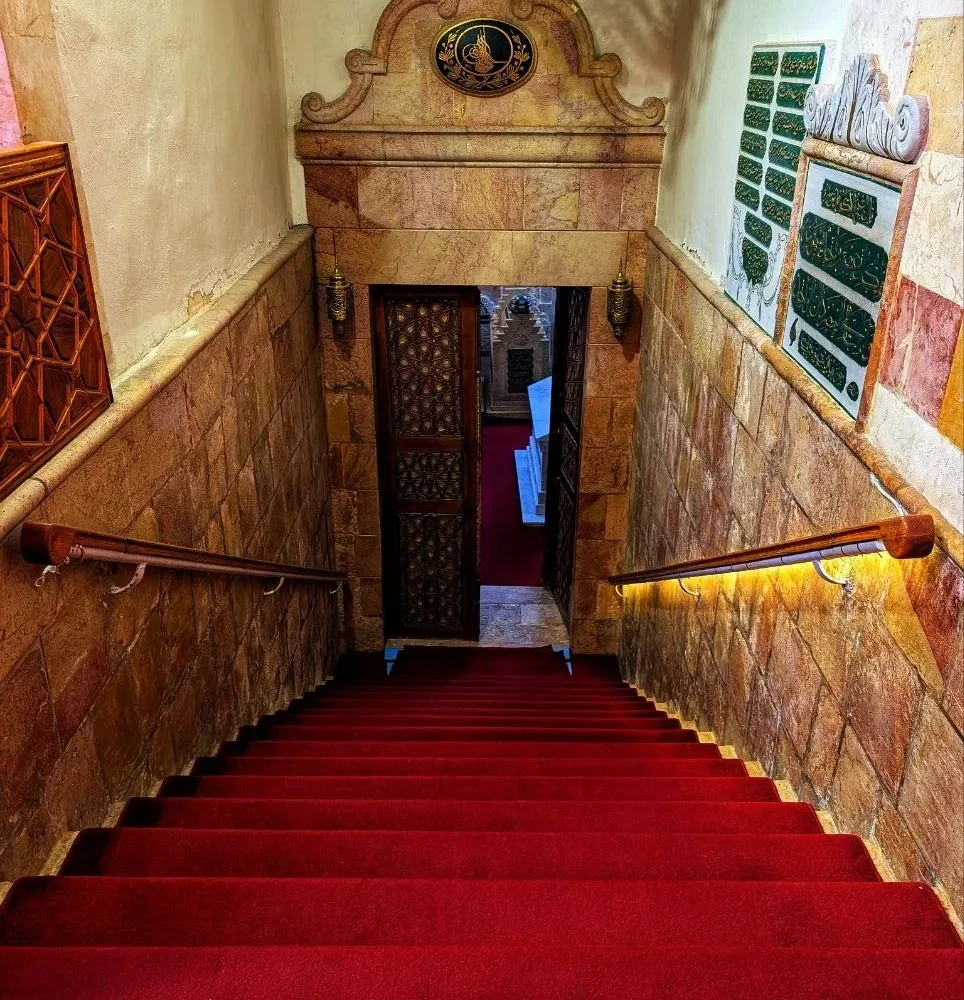
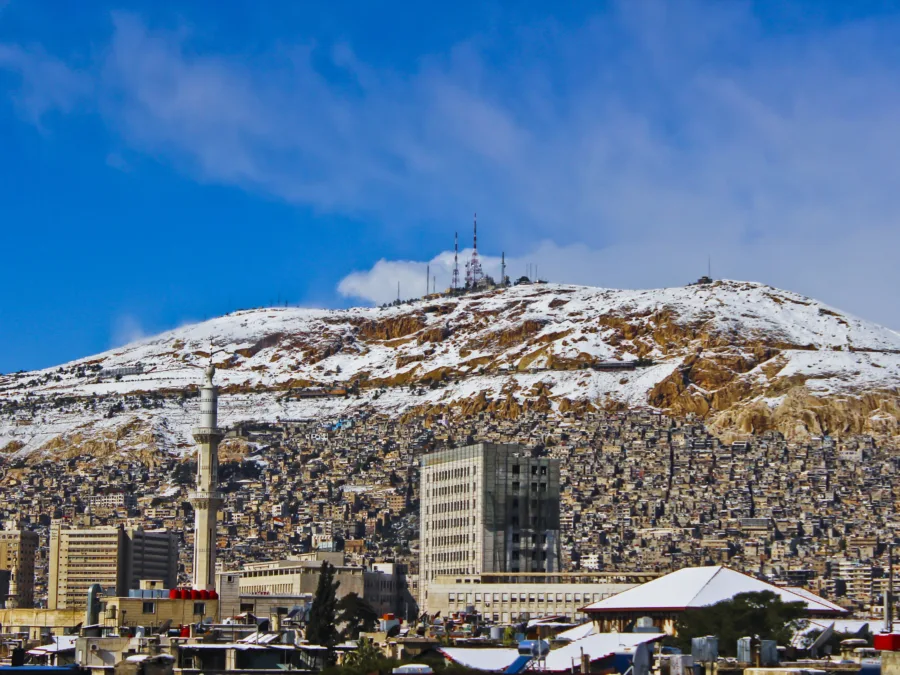
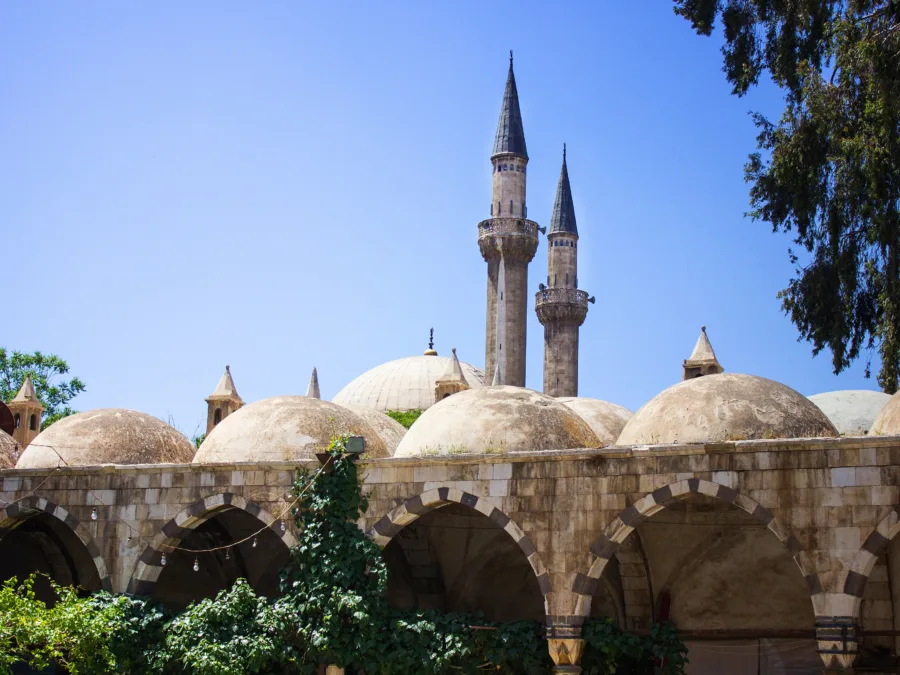
At the foot of Mount Qasioun, in the Salihiyah district of Damascus, stands the mosque and mausoleum of one of the most influential, and most argued-about, figures in the history of Islamic spirituality. Shaykh Muhyiddin Ibn Arabi is buried here, and the neighborhood around his tomb still carries his name in its own street names, eight centuries after his death.
Who Ibn Arabi Was
Ibn Arabi was born in 1165 CE (560 AH) in Murcia, in Muslim Spain, and spent much of his life traveling, through Seville, Fez, Mecca, and Baghdad, before eventually settling in Damascus in 1223. He died there in 1240, at the age of seventy-five.
He earned the title Muhyiddin, "reviver of religion," and is often called al-Shaykh al-Akbar, the Greatest Master, among Sufi scholars. His major works include Al-Futuhat al-Makkiyya, a sprawling text of roughly five hundred sixty chapters, and Fusus al-Hikam, a shorter, denser summary of his teaching that generated more than a hundred commentaries over the following six centuries. His ideas on the nature of divine reality and what it means to be a complete human being spread through the Islamic world via his students and later admirers, eventually reaching thinkers as far afield as seventeenth-century China.
A Legacy of Deep Reverence
Ibn Arabi has been deeply loved by generations of scholars and Sufi orders across the Muslim world, and Ottoman-era Sufis in particular held him in extremely high regard, a point that matters for understanding what happened to his tomb (see below). His writings on the nature of divine reality inspired centuries of commentary and study, and his place as one of the great luminaries of Islamic spirituality remains cherished by those who study his life and work.
Selim I and the Building of the Shrine
The history of the physical shrine is tied closely to the Ottoman conquest of Damascus. After Ottoman Sultan Selim I took the city in 1516, he ordered the tomb of Ibn Arabi restored right away. On his return the following year, in 1517, after continuing on to conquer Mamluk Egypt, he commissioned the fuller build-out of the site into a mosque, a tekkiye (a Sufi hospice and lodge), and a mausoleum. This complex is often described as the first great Ottoman monument built in Damascus.
You'll frequently hear a popular story that Ibn Arabi had prophesied, centuries earlier, that a conqueror named Selim would one day find his grave. It's a compelling story, and it circulates widely in tourist and devotional retellings, but it does not appear in the early historical sources. It is best understood as a cherished legend rather than a documented account, unless a stronger primary source surfaces to confirm it.
One more distinction worth making clearly: this complex should not be confused with the Takiyya al-Sulaimaniyya elsewhere in Damascus, which was built later for Suleiman the Magnificent and is associated with the renowned Ottoman architect Mimar Sinan. The Ibn Arabi complex predates Sinan's known career and is a separate, earlier structure.
Visiting Today
The site remains an active mosque and a place of visitation for admirers of Ibn Arabi and for Sufis more broadly. If you would rather see it quietly than at a busy hour, ask us and we will tell you when to come.
A Site Worth Sitting With
Ibn Arabi is honoured as al-Shaykh al-Akbar, the Greatest Master, and Sunnis hold him in high regard, even where scholars have discussed the apparent meanings of some of his expressions. Standing at his tomb, in a district that has carried his memory in its streets for eight hundred years, is a genuinely moving experience for travelers drawn to the deeper currents of Islamic spirituality.