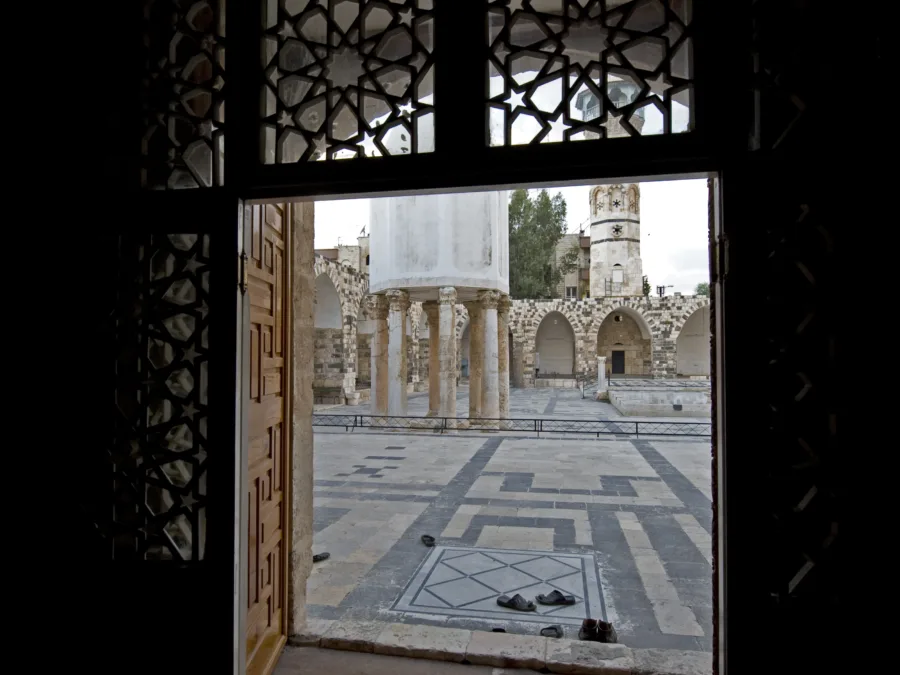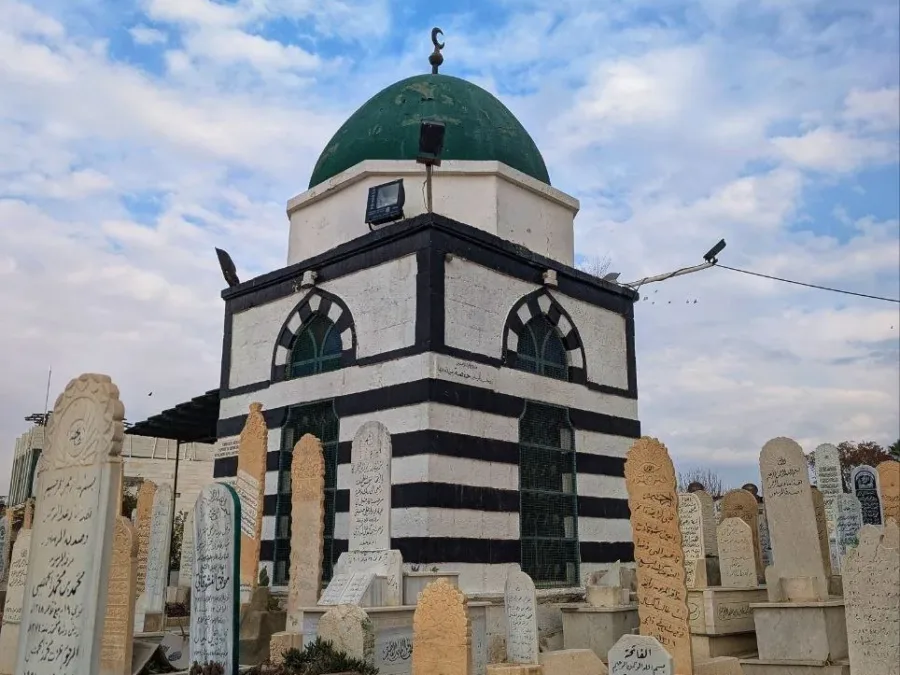
Khalid ibn al-Walid Mosque, Homs: The Resting Place of a Great Companion
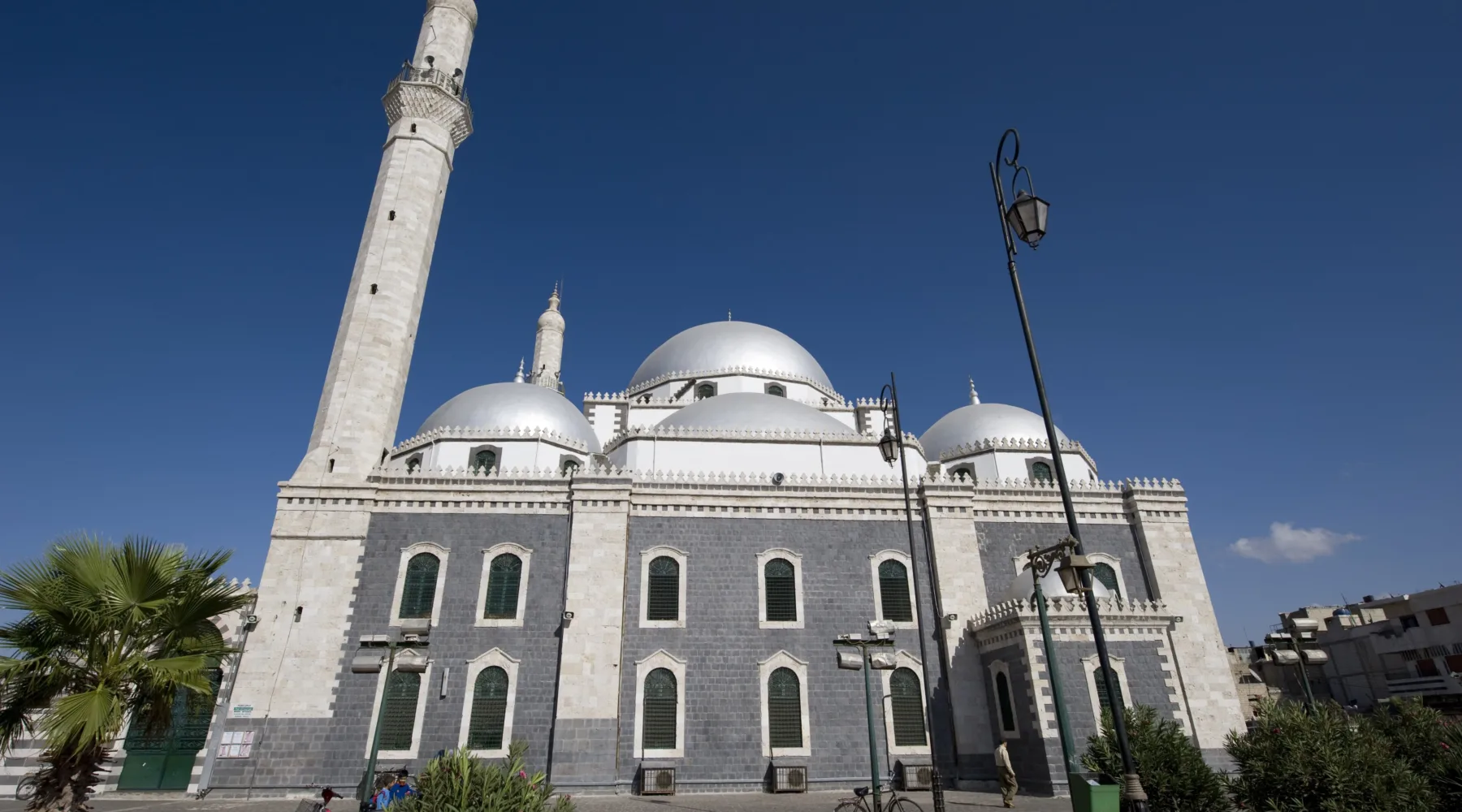
In the city of Homs stands one of the most striking mosques in Syria, built around the tomb of Khalid ibn al-Walid (RA), one of the most celebrated military commanders in early Islamic history and a companion of the Prophet Muhammad ﷺ.
Who Khalid ibn al-Walid Was
Khalid ibn al-Walid (RA) led the Muslim conquest of Syria in the seventh century, a campaign whose defining moment came at the Battle of Yarmouk, a victory that brought an end to Byzantine rule over the region. His skill on the battlefield and his devotion to the cause of Islam made him one of the most revered figures of that entire generation, a legacy that still draws visitors to his resting place in Homs today.
A Mosque Built Across the Centuries
The story of this mosque unfolds in layers. A small structure is believed to have been built near Khalid's mausoleum not long after his death in the seventh century, with an interior shrine added around the eleventh century. The mosque as a substantial building, though, dates to the Mamluk period, constructed around his mausoleum during the reign of Sultan Baybars in 1265 and restored again in 1291.
The building you see today, however, is newer still. In the early twentieth century, the Ottoman governor of the time had the older Mamluk structure taken down and rebuilt, with the new mosque completed in 1912. Historians have noted that this rebuilding was, among other things, a gesture meant to honor Khalid's memory and strengthen ties with the local Arab population, and in the years that followed, Khalid ibn al-Walid became an enduring symbol of pride across the Arab world.
Architecture Worth Lingering Over
The mosque is built in a striking Ottoman style, its walls banded in alternating black and white stone in the ablaq technique also seen at sites across Damascus. Two tall, white limestone minarets rise from its northwestern and northeastern corners, and a silver-colored central dome rests on columns carved in the same ablaq style, surrounded by nine smaller domes. Inside, the mausoleum chamber is a particular highlight, its dome and walls decorated with depictions of more than fifty of the battles associated with Khalid's remarkable military career, a striking and unusual feature for a shrine of this kind.
The tomb itself sits within this chamber, alongside the grave of his son. A wooden sarcophagus that once covered the tomb, carved with Qur'anic inscriptions, is today preserved in the National Museum in Damascus.
A Site Worth the Journey
For any traveler interested in the companions of the Prophet ﷺ and the history of the earliest Islamic conquests, few sites bring that history to life as vividly as this one.