The Great Mosque of Hama: History and Significance
At the heart of Hama, a city famous for its ancient wooden norias turning gently on the Orontes River, stands the Great Mosque, a building whose history stretches back long before Islam arrived in Syria and whose survival into the present day is a story worth knowing.
Layers of History Beneath One Roof
The ground the mosque stands on has been sacred for a very long time. It began as a Roman temple in the third century CE, and was converted into a church sometime during the Byzantine era, most likely in the sixth century. Exactly when it became a mosque is genuinely debated among historians. A fourteenth-century chronicler claimed the change happened almost immediately after the Muslim conquest of the city in 636 to 637 CE, but most modern scholars find that timeline unlikely and instead place the conversion sometime in the Umayyad period, in the late seventh or early eighth century, or possibly even as late as the early Abbasid period toward the end of the eighth century.
Architecture Worth Studying Closely
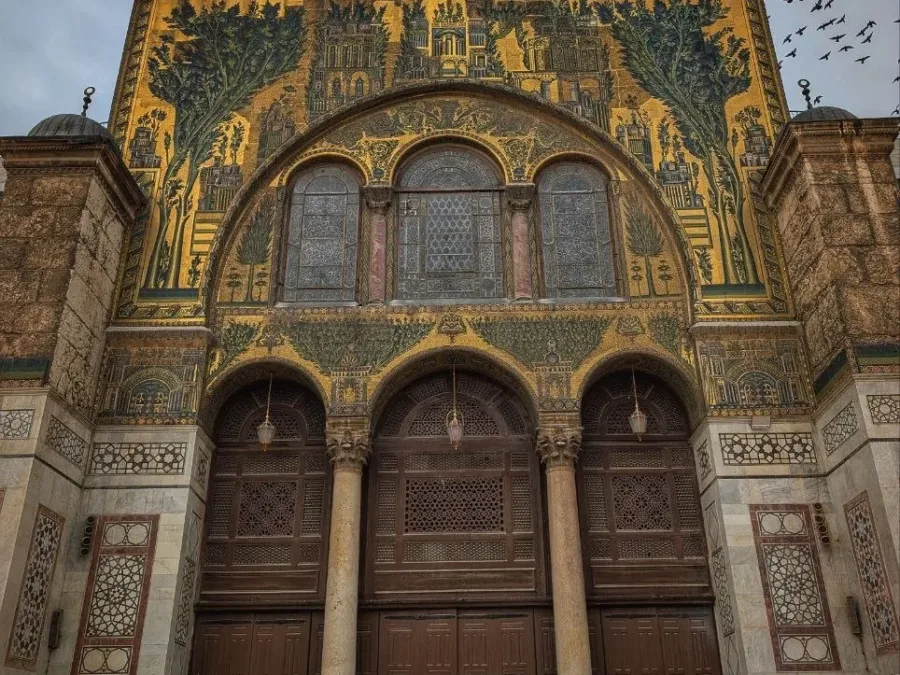
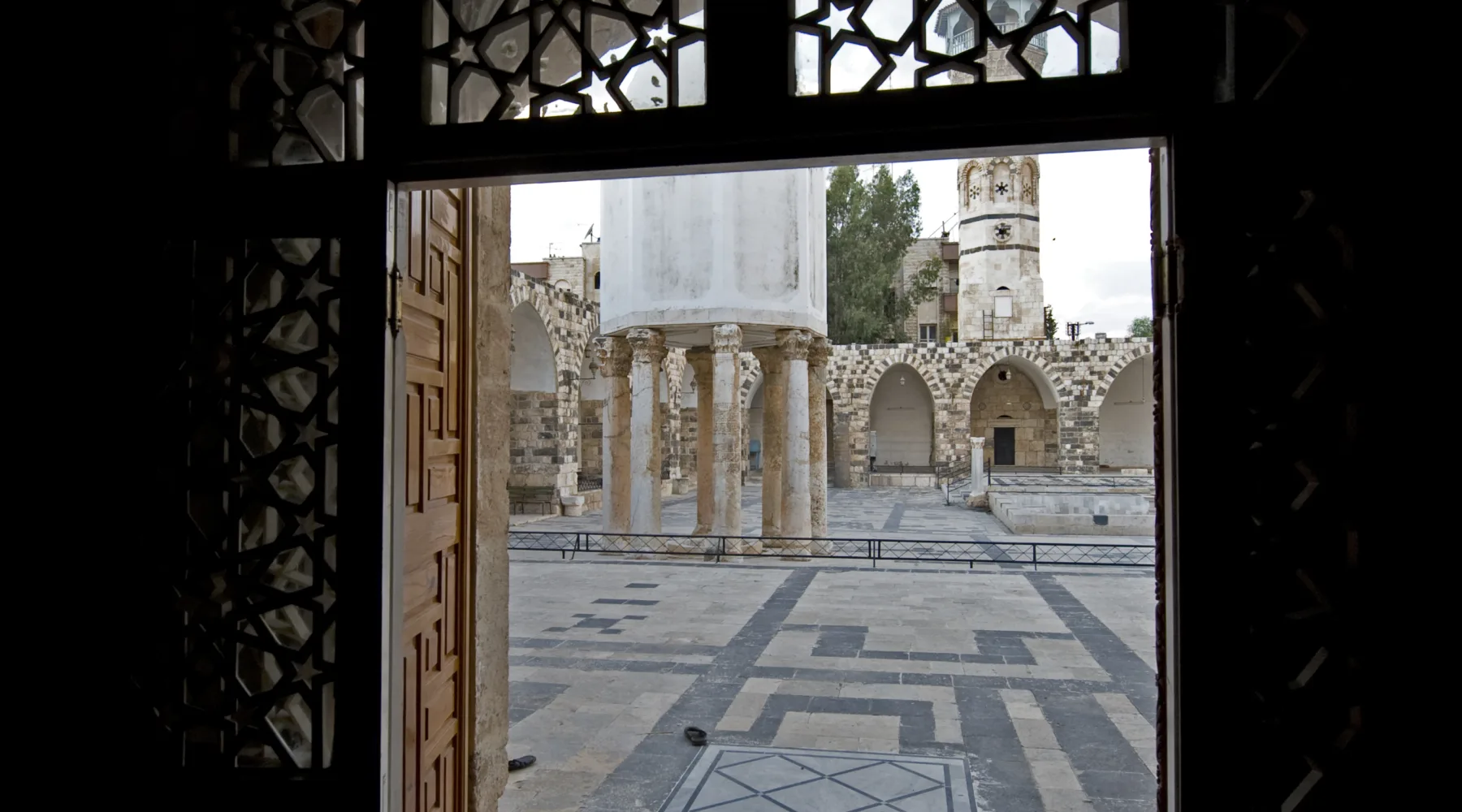
Whatever the exact date, the result is a mosque built firmly in the Umayyad architectural tradition, with five domes and two minarets that themselves tell two different chapters of the building's story. The square minaret carries an inscription dating it to 1124 CE, though some historians believe its base is considerably older, dating back to the Umayyad period itself. The second minaret, octagonal in shape, was added later by the Mamluks in 1427. The mosque's courtyard is lined with graceful arcades, and a smaller adjoining courtyard holds the tombs of two Ayyubid rulers from the thirteenth century, a reminder of how many different eras of Islamic rule have left their mark on this one site.
A Mosque Rebuilt
The mosque was very badly damaged in 1982. In the years that followed, Syria's Antiquities Department undertook a careful reconstruction, working from the original design, with the work completed by 2001. Not every detail of the rebuilt structure matches the original precisely, but the mosque today stands as a faithful, living continuation of a building that has served worshippers on this exact spot for well over a thousand years.
Why Hama Belongs on Your Itinerary
Between its ancient norias and this remarkable mosque, Hama offers a quieter, deeply layered counterpart to the grander scale of Damascus, well worth the stop for any traveler tracing Syria's Islamic heritage.